
A paired linkage that rolls a box over the rail with one smooth sweep
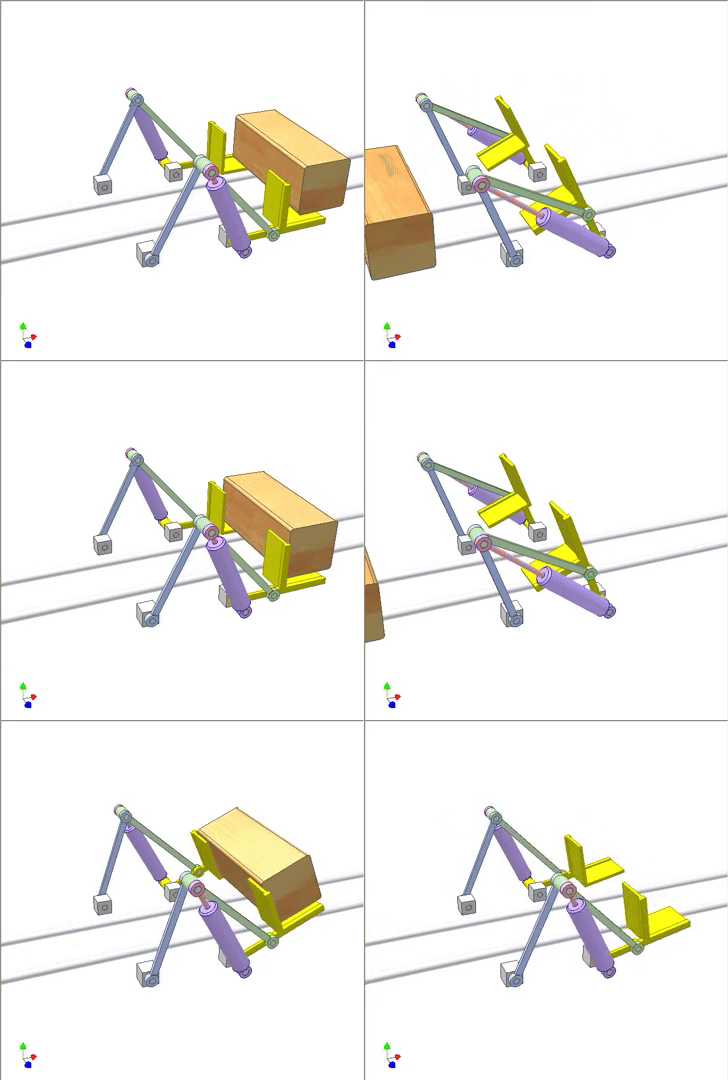
This mechanism uses two mirrored linkages to grab a box from one side of a rail and flip it cleanly to the other. As the purple link assemblies rise and rotate, they guide the yellow cradle holding the box through a smooth arcing path that tilts, lifts, inverts, and finally places the load down again.
Components — The system includes two long blue arms, each pivoting at the rail supports, two purple secondary links that connect these arms to the yellow box cradle, and small green pivot blocks that coordinate the timing between the mirrored linkages. A wooden colored box sits securely in the yellow cradle throughout the motion.
How it works — When the blue arms rotate upward, the attached purple links pull the cradle into a rising arc. As the cradle continues upward, the geometry of the double linkage forces it to roll over the top of the rail, inverting the box. The synchronized motion of the left and right linkages prevents twisting and keeps the box level relative to the cradle. As the arms complete their stroke, the cradle descends on the opposite side of the rail, placing the box gently onto the new position.
<
